
Whether you’re a budding filmmaker eager to hone your craft or a student simply curious about the magic behind the movies, you need proper guidance. For your convenience, we have crafted the ultimate guide on film techniques for students. You will gain essential Knowledge to help you navigate the fascinating world of cinematic storytelling.
The ultimate guide to film techniques for students
1. Camera Lighting
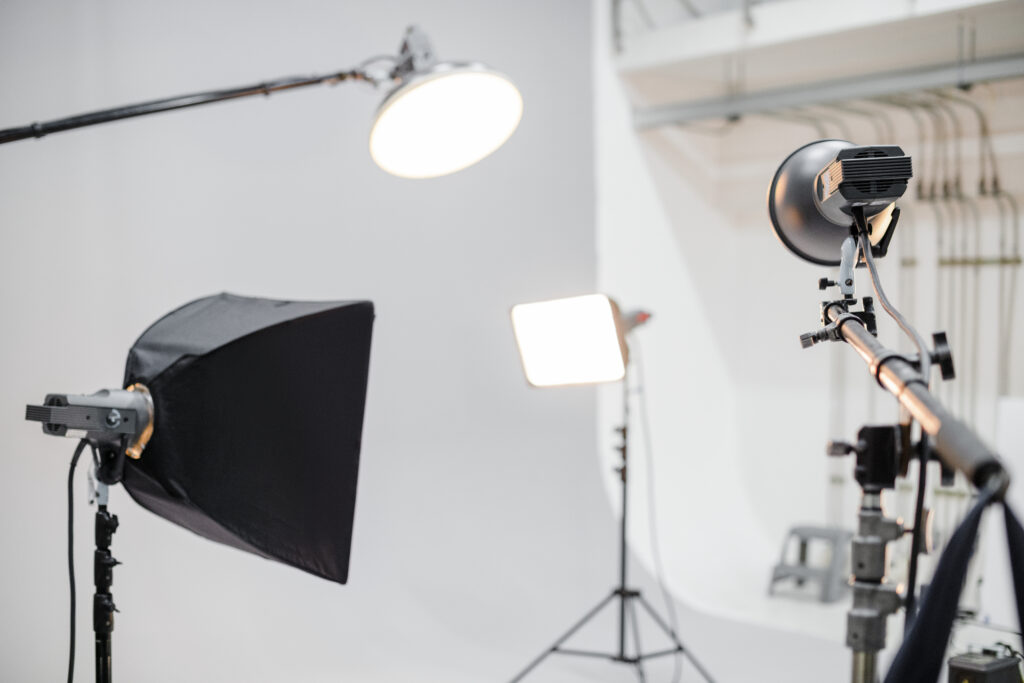
If you want to learn the fundamentals of lighting, the best place to start is with three-point lighting. Key, fill, and backlighting are the three components of three-point lighting. Keep the key light on at all times. By positioning it on one side of the camera, it casts light onto a portion of the subject while casting shadows over another portion. Placing the fill light on the other side of the camera helps to eliminate shadows. To emphasize details and draw attention away from the backdrop, the backlight is positioned behind the Subject.
2. Composition of a shot
If you want to start experimenting with composition, it helps to be familiar with the various cinema shots. The principle of thirds is among the most widely used photo composition tools. The nine squares make up the grid that this rule uses to divide the frame. In order to achieve a more balanced shot, you can apply the principles of thirds by positioning the subject of your shot on a grid line or intersection. Try out several ways of using this method to observe how it might guide the viewer’s gaze. Using leading lines is another strategy for drawing attention to certain areas.
3. Camera Movement
Moving the camera around the frame is another way filmmakers can emphasize certain scenes or evoke certain feelings. There are more dynamic approaches to experiment with than just shooting a film steadily on a tripod. Using a handheld camera is one option if you’re trying for an edgy, personal vibe, but more conventional camera movements are great for a more grounded, understated look. Zooming in, pushing in, panning, and tilting are the four most used camera movements.
4. Editing
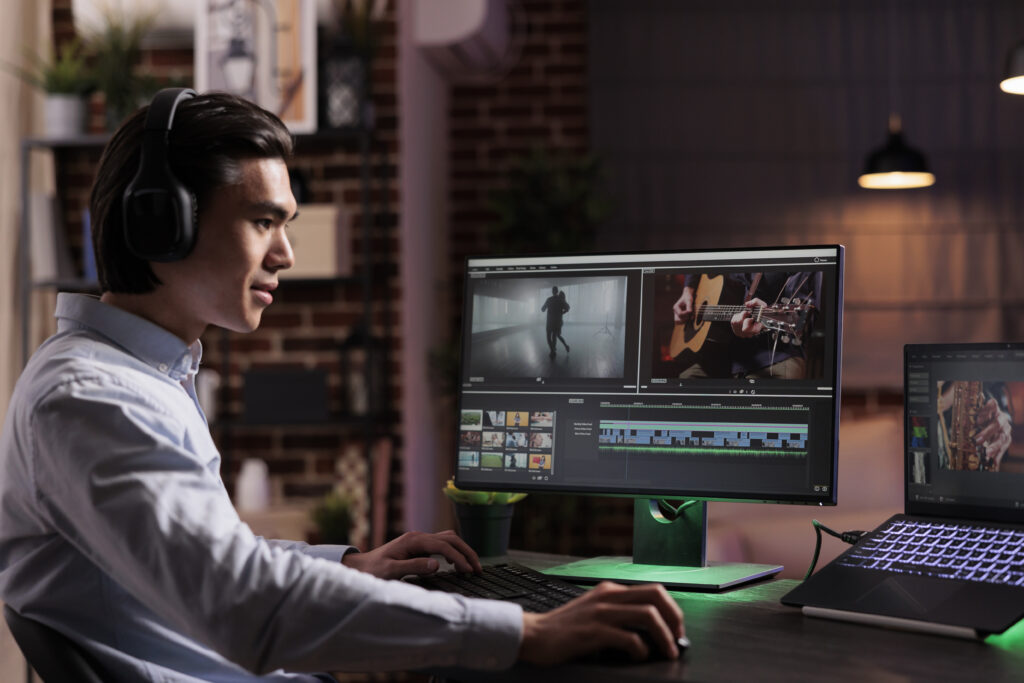
When making edits, be careful not to cut too frequently and instead base your cuts on how they perform. The story’s emotional core should be brought to light through smooth cuts. Cutting to action, such as when a character moves, a door closes, or the camera pans, is another way. Pacing and fluidity are both improved by this. Montages and intercuts are additional tools at your disposal for enhancing your storytelling or fixing issues that arise during conventional edits. Jumping back and forth between these two images would be an example of intercutting, which would imply that they are occurring simultaneously or play with the idea of time and place.
5. Sound
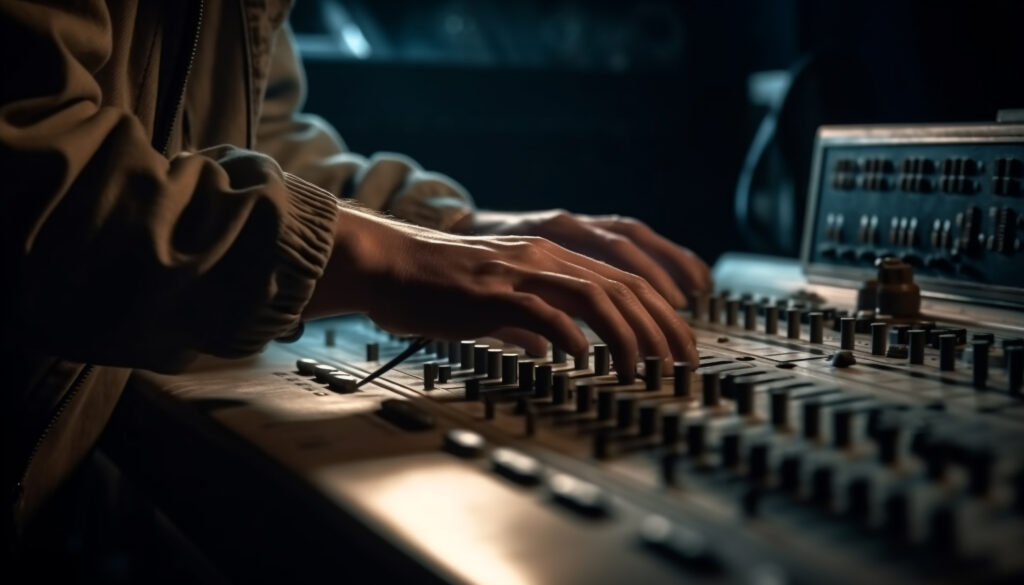
Sound effects and music scores are the most well-known methods of film sound design. Make sure to record sound during production, even if there is no dialogue. There is no substitute for the actual thing when it comes to creating a realistic sound and atmosphere in a film. Attempt to capture background noise and detect any sounds occurring on set, such as motors starting or water running. Automated Dialog Replacement (ADR) is another tool available for use in post-production. Using this method, an actor can be brought into a recording studio to capture any misplaced lines of dialogue.
6. Advanced Techniques
We recommend looking into more complex filmmaking techniques after you’ve mastered the fundamentals. New methods emerge daily in the filmmaking industry, many of which are the result of experiments with cameras, lights, and sound that people like you began. How about trying something new? Perhaps you’ll stumble upon something truly remarkable!
Conclusion
We hope you’ve found inspiration, insight, and practical guidance to fuel your cinematic aspirations. Remember, filmmaking is not just about mastering techniques; it’s about telling stories that resonate with audiences, provoke thought, and evoke emotion. So, as you embark on your creative endeavors, embrace experimentation, embrace collaboration, and above all, embrace your unique voice as a storyteller.